










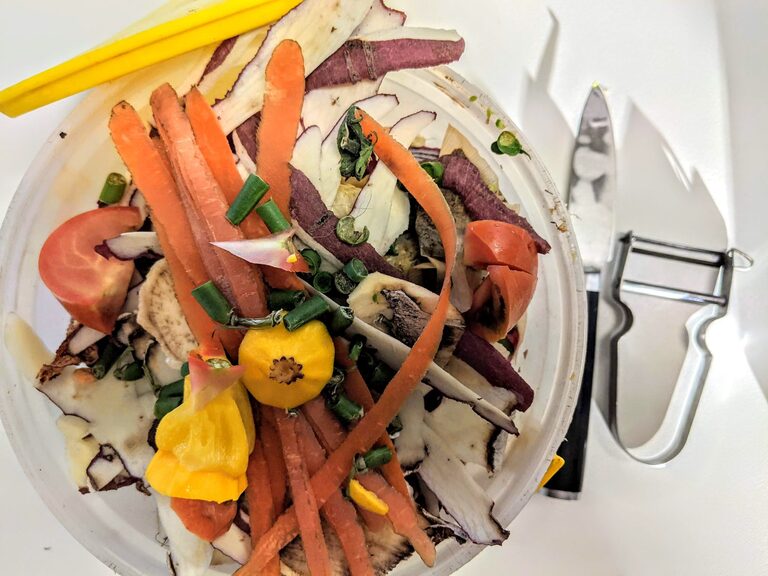
Reducing food waste at home is not only good for the environment but also helps save money and promotes healthier eating habits. Many people are unaware of how much food they throw away daily, and with some mindful changes, it’s possible to significantly cut down on waste. In this post, we’ll explore practical ways you can reduce food waste in your own kitchen.
Why Reducing Food Waste Matters
Before diving into tips, it’s helpful to understand why food waste reduction is important. When food is wasted, all the resources used in growing, transporting, and packaging that food are also wasted. Additionally, food waste contributes to greenhouse gas emissions when it ends up in landfills. By reducing food waste, you help conserve resources and lower your carbon footprint.
Plan Your Meals Ahead of Time
Create a Weekly Meal Plan
One effective way to reduce waste is by planning your meals in advance. When you know what you’re going to cook each day, you can shop accordingly and avoid buying unnecessary items. Take a moment each week to draft a meal plan that fits your schedule and preferences.
Make a Shopping List and Stick to It
Once your meal plan is ready, make a shopping list with exact quantities needed. Shopping with a list helps prevent impulse buys, which often lead to unused food. Stick to the list as much as possible, and avoid buying items that you don’t have immediate plans to use.
Store Food Properly to Extend Freshness
Proper food storage plays a big role in reducing waste. Here are some tips to help your groceries last longer:
– Use airtight containers: Store leftovers and opened packages in airtight containers to keep them fresh.
– Keep fruits and veggies separate: Some fruits release ethylene gas, which speeds up ripening. Keep ethylene-producing fruits away from sensitive vegetables.
– Adjust refrigerator settings: Keep your fridge at around 37°F (3°C) and your freezer at 0°F (-18°C) for optimal food preservation.
– Use clear containers: Storing food in transparent containers makes it easier to see what you have so nothing gets forgotten.
Practice Smart Portioning
Cooking or serving more food than you and your family can eat often leads to waste. Try these ideas to avoid excess:
– Cook smaller portions: Adjust recipes to match the number of people eating.
– Serve in smaller amounts: You can always offer seconds if someone is still hungry.
– Use smaller plates: This can help control portion sizes and reduce uneaten leftovers.
Get Creative with Leftovers
Leftovers are a great way to reduce waste and save time. Instead of tossing extra food, consider these ideas:
– Reinvent meals: Use leftover vegetables or meat in soups, stir-fries, or casseroles.
– Freeze extras: Portion leftover meals into freezer-safe containers for quick future dinners.
– Share or donate: If you have extra cooked food that you won’t consume, consider sharing with neighbors or donating to local shelters.
Monitor Expiration Dates and Use FIFO
Keep track of your food’s shelf life to avoid spoilage:
– Use the FIFO method (First In, First Out): Organize your pantry and fridge so older items are at the front and used first.
– Check dates regularly: Make a habit of checking expiration or best-before dates weekly.
– Understand date labels: “Best before” means quality may decline but food could still be safe; “use by” indicates safety and should be followed strictly.
Compost Food Scraps
Not all food scraps are edible, but many can be composted instead of thrown in the trash. Composting returns nutrients to the soil and reduces landfill waste.
– Collect scraps: Save peels, cores, coffee grounds, and other kitchen scraps.
– Use a compost bin: Whether you have a backyard or a small indoor setup, composting is practical for many households.
– Avoid composting meat or dairy: These items can attract pests and create odors.
Shop Mindfully
Besides planning and proper storage, your shopping habits also impact food waste:
– Buy imperfect produce: Many stores offer “ugly” fruits and vegetables at a discount. They taste the same and help reduce food waste on farms.
– Purchase bulk carefully: Buying in bulk is economical but only if you can use the food before it spoils.
– Choose versatile ingredients: Foods that can be used in multiple recipes reduce the chance of waste.
Educate and Involve Your Household
Reducing food waste is easier when everyone in the household is on board.
– Talk about waste habits: Share your goals and encourage others to help reduce waste.
– Get kids involved: Teach children about food value and how to store or use leftovers creatively.
– Track your waste: Keep a food waste diary as a family to identify patterns and improve together.
Conclusion
Cutting down on food waste at home might take some initial effort, but it quickly becomes a natural part of your routine. By planning meals, storing food properly, managing portions, and getting creative with leftovers, you’ll not only save money but also contribute positively to the environment. Small changes in your kitchen habits can make a big difference over time—start today and enjoy the benefits!